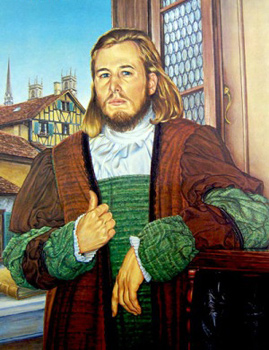
On 5 January 1527, Felix Manz, one of the earliest leaders of the Swiss Anabaptist movement, was executed in Zurich, not by fire or sword, but by drowning, a grim method chosen to mock the Anabaptists’ commitment to believer’s baptism.
Manz was born around 1498 in Zurich and was initially a supporter of Huldrych Zwingli, the leading voice of the Swiss Reformation. However, as the movement progressed, Manz and other young reformers became convinced that the Bible taught something Zwingli would not endorse, Baptism should follow personal faith, not be given to infants and the church must be voluntary, regenerate, and separate from state control.
When Manz, Conrad Grebel, and others began baptising adult believers in 1525, they launched a movement that rejected both Roman Catholic and Magisterial Protestant control of the church. This theological stand quickly made them targets of the very authorities who had broken from Rome only years earlier.
Manz was repeatedly imprisoned and warned. His offence was not violence or rebellion, but his refusal to stop preaching the gospel freely, gathering believers outside the state church system and baptising those who confessed Christ personally. To the Zurich council, this was illegal dissent. To Manz, it was biblical obedience.
Manz was bound and placed into a boat. His final moments were spent singing and praying, declaring Christ even as he was lowered into the icy waters of the Limmat River. He became the first Anabaptist martyr executed by the Swiss Protestant government.
His death was meant to silence a movement. Instead, it ignited it. The testimony of Anabaptist martyrs like Manz helped shape enduring convictions about freedom of conscience, separation of church and state, believer’s baptism and the church as a community of chosen disciples, not compelled citizens.
Today, Felix Manz is remembered not only for his tragic end, but for his unshakeable belief that Christ’s church belongs to Christ alone, not to kings, councils, or coercion.
Manz’s execution forces us to ask ourselves some questions. Do we obey Scripture even when it costs us? Do we defend a faith that must be chosen, not forced? Are we willing to stand for Christ, even when misunderstood by both the world and the religious establishment?
His life reminds us that the greatest threat to genuine Christianity has often been not secular hostility, but institutional control without biblical conviction.




Leave a comment