
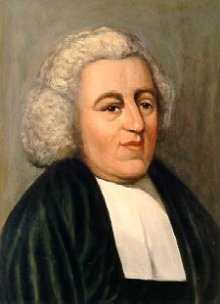
On this day in 1807, John Newton, Anglican clergyman, hymn writer, and former slave trader, died in London at the age of 82. Newton’s life is remembered for its dramatic transformation and enduring spiritual legacy.
Born in 1725, Newton spent much of his early life at sea, eventually becoming involved in the transatlantic slave trade. A violent storm in 1748 marked a turning point, prompting a gradual conversion to Christianity. Over time, Newton came to deeply regret his role in slavery, later renouncing it and becoming an outspoken supporter of the abolition movement.
Ordained as a priest in the Church of England, Newton served as a parish minister and spiritual mentor to many, including the young William Wilberforce. His most lasting contribution is the hymn “Amazing Grace,” written in 1772, which reflects his personal journey from moral blindness to faith and redemption.
John Newton’s death on December 21, 1807, came the same year Britain passed the Abolition of the Slave Trade Act, a poignant milestone that echoed the cause he had come to champion. His story remains a powerful testament to repentance, change, and the possibility of moral renewal.





Leave a comment