
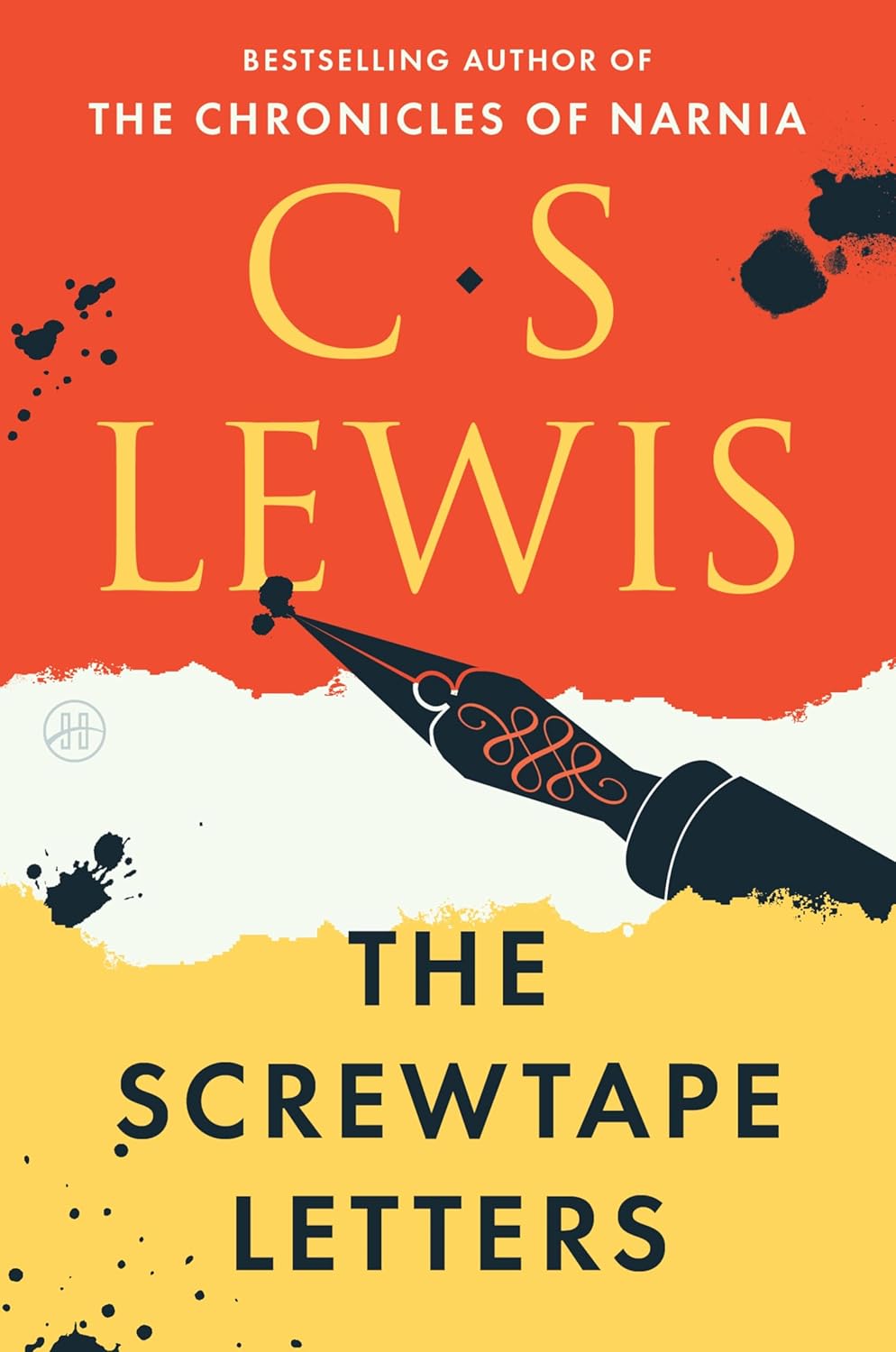
The Screwtape Letters is a satirical and theological masterpiece written as a series of fictional correspondences between two demons, the senior tempter, Screwtape, and his inexperienced nephew, Wormwood. The twist? The letters are not about tormenting a human directly, but about how to keep a man from God through subtle distraction, pride, rationalisation, spiritual apathy, and manipulation of everyday habits. The ‘patient’ (the human target) is never the narrator; instead, we read the playbook of the enemy, learning about spiritual warfare from the dark side’s perspective. Lewis exposes temptation not as loud and theatrical evil, but as quiet, respectable corruption that often feels ordinary, even reasonable. The result is both convicting and oddly humorous, like a mirror held up to the human heart with a smirk.
What makes it excellent
Lewis writes with razor-sharp wit, psychological insight, and a pastor’s burden for the soul. What I appreciate most is the book’s ability to make the reader more self-aware and less naïve about temptation. Each chapter disarms you with humour, then pierces you with truth. Rather than offering abstract doctrine, Lewis gives flesh to the schemes of spiritual deception. It has strengthened my discernment in prayer, relationships, ambition, suffering, and even entertainment. Few books manage to be intellectually rich, spiritually nourishing, and laugh-out-loud clever all at once, but this one does so effortlessly.
It is also timeless. Though published in 1942, its commentary on media, outrage culture, identity, comfort, distraction, and self-absorption feels startlingly contemporary. Lewis somehow anticipated the future without needing to live in it.
On the book’s tone
The satire is not merely stylistic flair, it is strategic. By letting demons explain temptation, Lewis bypasses defensiveness. You end up agreeing with the enemy’s analysis of human weakness, only to realise you’ve just confessed your own heart. It’s brilliant writing, and frankly, a bit sneaky, in the best possible way.
Critics of the book and my thoughts on them
No influential book escapes critique, and The Screwtape Letters has had its share.
1.Some critics argue the demonic perspective feels too sympathetic or entertaining.
They worry readers may become fascinated with the tempters rather than the One who saves. I understand the concern, but I think it underestimates Lewis’s intent. The demons are caricatures, not companions. Their logic is persuasive only to reveal the absurdity and danger of their counsel. Far from glorifying evil, the book makes it appear small, petty, parasitic, bureaucratic, insecure, and opportunistic, a far cry from the seductive mystique some people project onto spiritual darkness.
2. Others claim Lewis speculates too much about spiritual beings beyond Scripture.
While the book is not a verse-by-verse exegesis, it aligns with biblical truths about temptation, the flesh, pride, deception, distraction, spiritual blindness, and warfare. The narrative is imaginative, yes, but the principles are orthodox and recognisable. The book is not presenting new doctrine, it is dramatising what believers already know but often forget.
3. A few reviewers find the book more diagnostic than prescriptive. They note it exposes temptation more than it outlines solutions. I see that as a feature, not a flaw. Discernment begins with recognising the tactics. Once you see the schemes, the defences (prayer, obedience, humility, worship, Scripture, fellowship) become obvious without needing to be force-fed.
Final Thoughts
This book has genuinely made me a more thoughtful Christian. It is a joy to read, a challenge to absorb, and a tool for lifelong reflection. If you want a book that entertains your mind while sharpening your soul, this is it. It is not merely a classic, it is a companion for spiritual clarity.




Leave a comment