
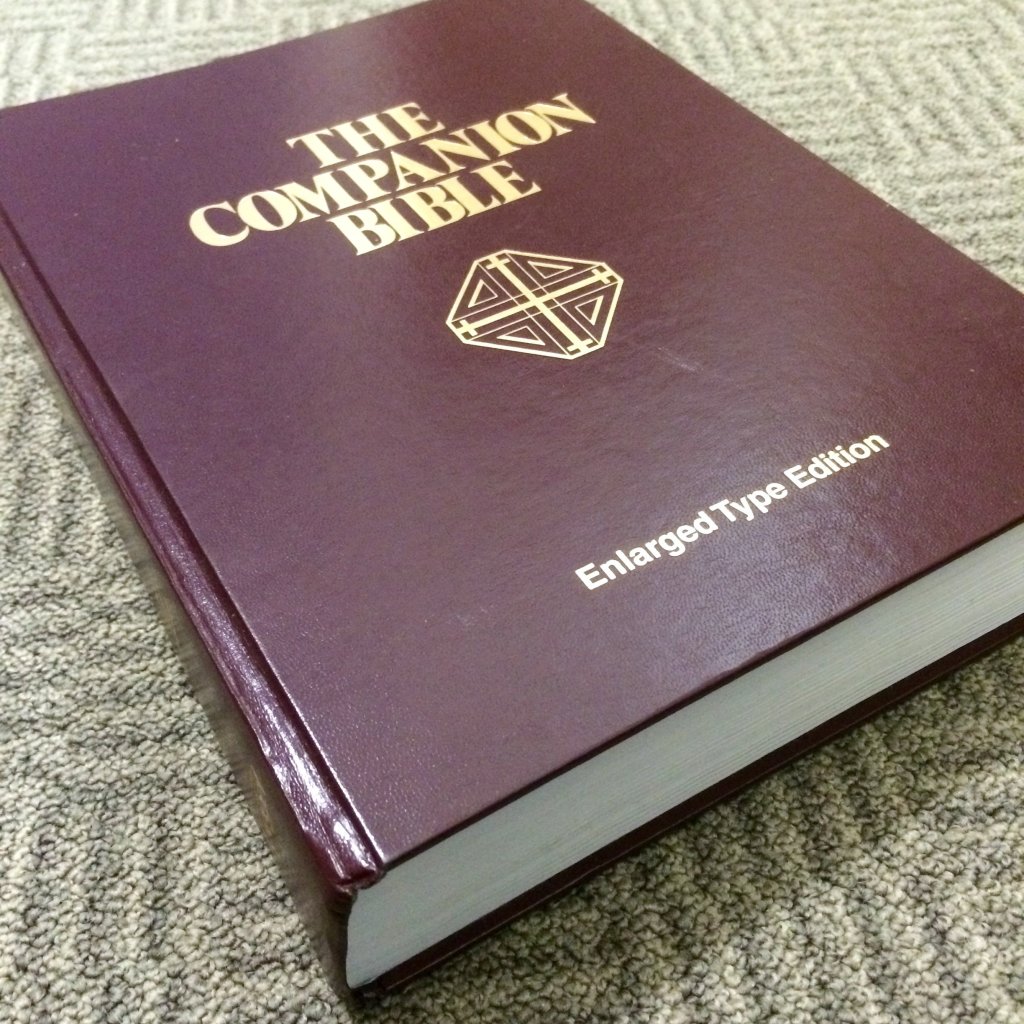
The Companion Bible is one of the most distinctive study Bibles ever produced. First published in parts between 1909 and 1922, this work was edited and annotated by Ethelbert William Bullinger (1837–1913), a renowned Anglican scholar, theologian, and clergyman. Known for his meticulous approach to biblical interpretation, Bullinger combined scholarship, typology, and a deep commitment to the inspiration of Scripture to create a study tool that still attracts readers today.
Origins and Purpose
E. W. Bullinger envisioned the Companion Bible as a resource that would help serious students of Scripture engage with the original text in a deeper way. The name “Companion” reflects Bullinger’s intent for the Bible to serve as a companion for the reader, a constant guide through the text, explaining nuances, cross-referencing passages, and highlighting key themes.
The Bible was published in six parts, covering both Old and New Testaments. After Bullinger’s death in 1913, his work was completed and compiled into a single volume by his collaborators, preserving his notes and outlines.
Key Features
What sets the Companion Bible apart from other study Bibles are its unique structures and reference systems:
- Extensive Appendices: The Companion Bible contains 198 detailed appendices that cover topics such as biblical chronology, figures of speech, Hebrew and Greek word studies, and key doctrinal themes.
- Structures of Books: Bullinger provided outlines for each book of the Bible, showing its literary structure and emphasizing the unity and purpose of the text.
- Notes on the Original Languages: Though designed for readers without formal training in Hebrew or Greek, Bullinger’s notes frequently highlight word meanings and nuances from the original languages.
- Cross-References and Companion Notes: The side notes act as a “companion,” guiding the reader to related passages and helping them interpret Scripture in light of other Scripture.
Bullinger’s Approach to Scripture
Bullinger was known for his dispensational approach, although his views were somewhat distinct from later dispensationalism popularized by scholars like C. I. Scofield. He emphasized a literal interpretation of the Bible and often explored typology, numerics, and the significance of biblical figures of speech.
One of Bullinger’s notable contributions was his teaching on the “right division” of Scripture (2 Timothy 2:15), encouraging readers to distinguish between the various dispensations or administrations in God’s plan. This interpretive framework influenced the Companion Bible’s notes, making it particularly appealing to readers interested in understanding how the Old and New Testaments fit together.
Legacy and Influence
The Companion Bible remains in print today and is valued by pastors, laypeople, and Bible students seeking a deeper understanding of Scripture. While some of Bullinger’s views, such as his ultra dispensationalism, are debated in theological circles, his commitment to the authority and integrity of the biblical text is widely respected.
For readers who want to study the Bible systematically and explore its literary design, historical context, and original languages, the Companion Bible offers a uniquely rich resource. Its combination of commentary, outlines, and scholarly appendices make it more than just a study Bible, it is, as Bullinger intended, a true companion for lifelong engagement with Scripture.





Leave a comment