
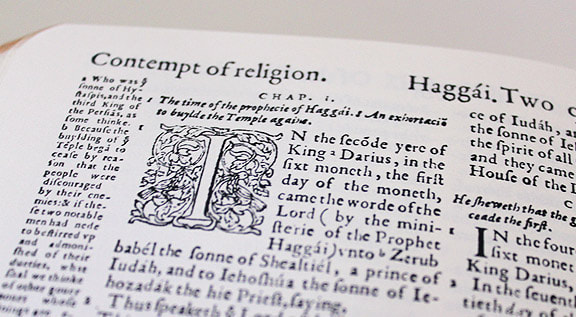
The Geneva Bible is one of the most significant translations in the history of Christianity, not only for its linguistic contributions but also for its profound influence on religious, cultural, and political thought. Published in 1560, this Bible was a product of the Protestant Reformation and became the preferred scripture for many English-speaking Protestants for nearly a century. Its legacy continues to be felt today, as it shaped the way the English-speaking world reads and understands the Bible.
Origins of the Geneva Bible
The Geneva Bible was created during a time of great religious upheaval. After King Henry VIII’s break with the Catholic Church in the 1530s, England saw a rise of Protestant reformers who sought to make the Scriptures available to the common people in their own language. William Tyndale had already translated much of the Bible into English before being executed in 1536, but his work laid the foundation for later translators.
During the reign of Queen Mary I (1553–1558), a staunch Catholic who sought to restore Roman Catholicism in England, many Protestants fled to Geneva, Switzerland — a center of Reformation activity led by John Calvin and other reformers. It was here that these English exiles undertook the task of producing a new translation of the Bible that was accurate, accessible, and faithful to Reformed theology.
The Geneva Bible was completed and first published in 1560. It was printed in a convenient, portable format and was the first English Bible to use numbered verses throughout the text, making study and reference far easier than before.
Key Features of the Geneva Bible
- Readable Translation
The Geneva Bible was translated directly from the original Hebrew, Aramaic, and Greek texts, with the translators carefully comparing their work to other available versions. Its language was vivid and clear, making it more understandable for everyday readers than earlier English Bibles. - Study Notes and Commentary
One of the most innovative features of the Geneva Bible was its extensive marginal notes, which provided commentary, cross-references, and theological explanations. These notes reflected the Reformed perspective and encouraged readers to interpret Scripture for themselves rather than relying solely on church authorities. - Verse Numbers and Portable Size
The Geneva Bible was the first English Bible to use verse divisions systematically, making it easy to locate and memorize passages. Its smaller size made it suitable for personal study and household reading — a major step toward democratizing access to the Scriptures. - Influence on English Language and Literature
The Geneva Bible’s phrasing helped shape early modern English and inspired writers such as William Shakespeare, John Milton, and the Pilgrim Fathers, who carried it with them to the New World.
The Geneva Bible vs. the King James Bible
The Geneva Bible eventually faced competition from the King James Version (KJV), which was first published in 1611. King James I disliked the Geneva Bible’s marginal notes, which he considered politically subversive because they sometimes criticized the idea of absolute monarchy. For this reason, he commissioned a new translation that avoided commentary and sought to be more neutral in its language.
Over time, the King James Bible replaced the Geneva Bible as the standard English Bible. However, the Geneva Bible remained beloved by Puritans and early American colonists, including those who sailed on the Mayflower in 1620.
Importance of the Geneva Bible
The Geneva Bible’s significance cannot be overstated. Its impact can be seen in several key areas:
- Religious Freedom: The Geneva Bible empowered ordinary believers to engage with Scripture personally, advancing the Reformation ideal of the “priesthood of all believers.”
- Political Thought: Its notes encouraged the idea that rulers were subject to God’s law and could be resisted if they became tyrannical — ideas that would later influence political thought in England and America.
- Education and Literacy: Because it was designed for individual and family reading, the Geneva Bible helped promote literacy and made Bible study a household practice.
- Cultural Legacy: The Geneva Bible’s language and structure helped prepare the ground for the King James Bible, which would dominate English literature and religious life for centuries.
Conclusion
The Geneva Bible is more than just a historical artifact — it is a witness to a time when faith, language, and freedom were being reshaped in the English-speaking world. It bridged the gap between the early translations of William Tyndale and the King James Bible, served as a spiritual guide for generations of Protestants, and helped shape Western ideas about liberty and individual responsibility before God.
Its clear translation, revolutionary study aids, and influence on literature and politics make the Geneva Bible one of the most important and enduring Bibles in history.





Leave a comment