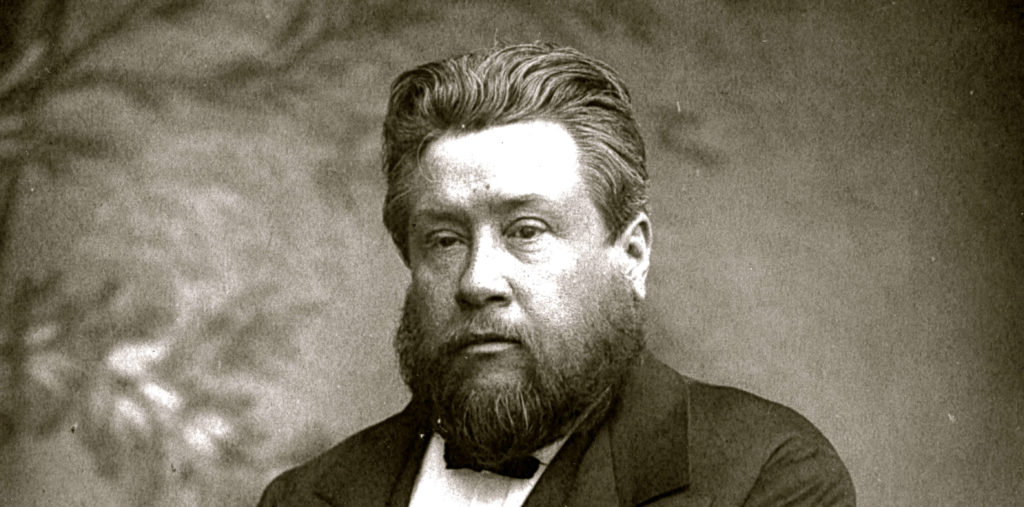
Charles Haddon Spurgeon (19 June 1834 – 31 January 1892) was an English Particular Baptist preacher. He continues to be significantly influential among Christians from various denominations, with some referring to him as the “Prince of Preachers.” A prominent figure within the Baptist tradition, Spurgeon upheld the 1689 London Baptist Confession of Faith and opposed the liberal and pragmatic theological trends in the Church during his era.
Spurgeon wrote sermons, an autobiography, commentaries, books on prayer, devotionals, magazines, poetry, and hymns. Many of his sermons were transcribed during his speaking engagements and translated into numerous languages while he was alive. He is noted for delivering powerful sermons characterized by insightful thought and clear explanations. His oratory abilities are said to have captivated his audience at the Metropolitan Tabernacle, and many Christians regard his writings as exceptionally valuable within devotional literature.
While at the Metropolitan Tabernacle, he established an Almshouse and the Stockwell Orphanage. He urged his congregation to actively reach out to the impoverished individuals in Victorian London. Additionally, he founded Spurgeon’s College, which was named in his honor after his death.
For 38 years, Spurgeon served as the pastor of the New Park Street Chapel (which later became the Metropolitan Tabernacle) in London. He was involved in numerous controversies with the Baptist Union of Great Britain and eventually left the denomination due to his doctrinal beliefs.




Leave a comment