

“Let us be very careful that we never exalt any minister, or sermon, or book, or friend above the Word of God.”
J.C. Ryle
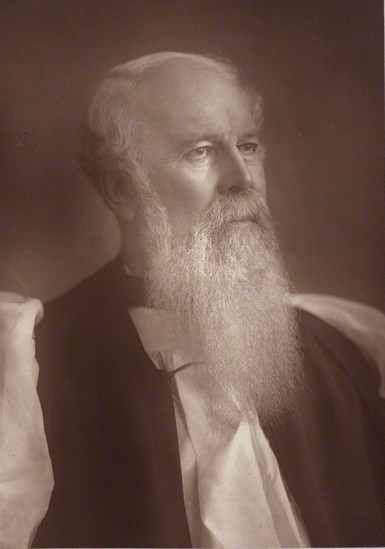
I am sure you have read one of J.C. Ryle’s books. His most well-known title is Holiness or to give its full title Holiness: Its Nature, Hinderances, Difficulties and Roots. Perhaps you have read Christian Leaders of the Eighteenth Century or his commentary series on the four Gospels, which he called Expository Thoughts. Before I go into the bulk of this article let me give you some background on Ryle. John Charles Ryle was born on 10 May 1816 in Macclesfield, England. He was the eldest son of John Ryle, a private banker, and an influential Member of Parliament for Macclesfield (1833–1837). Ryle was brought up in a middle/upper-class family and his father was financially well off.
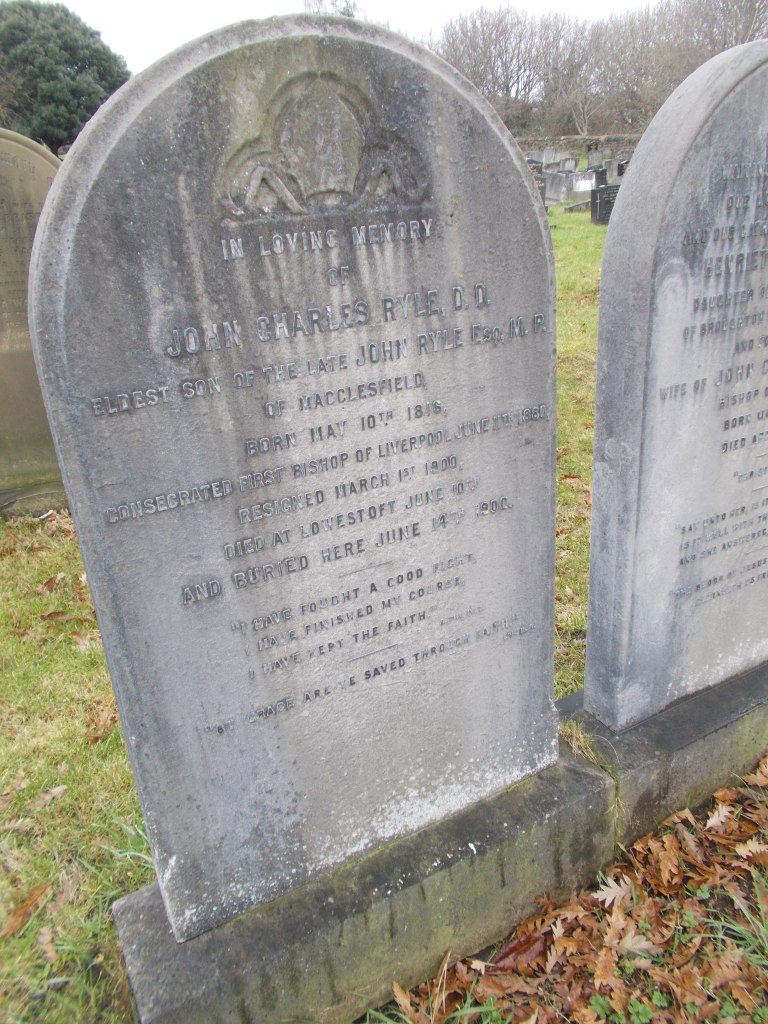
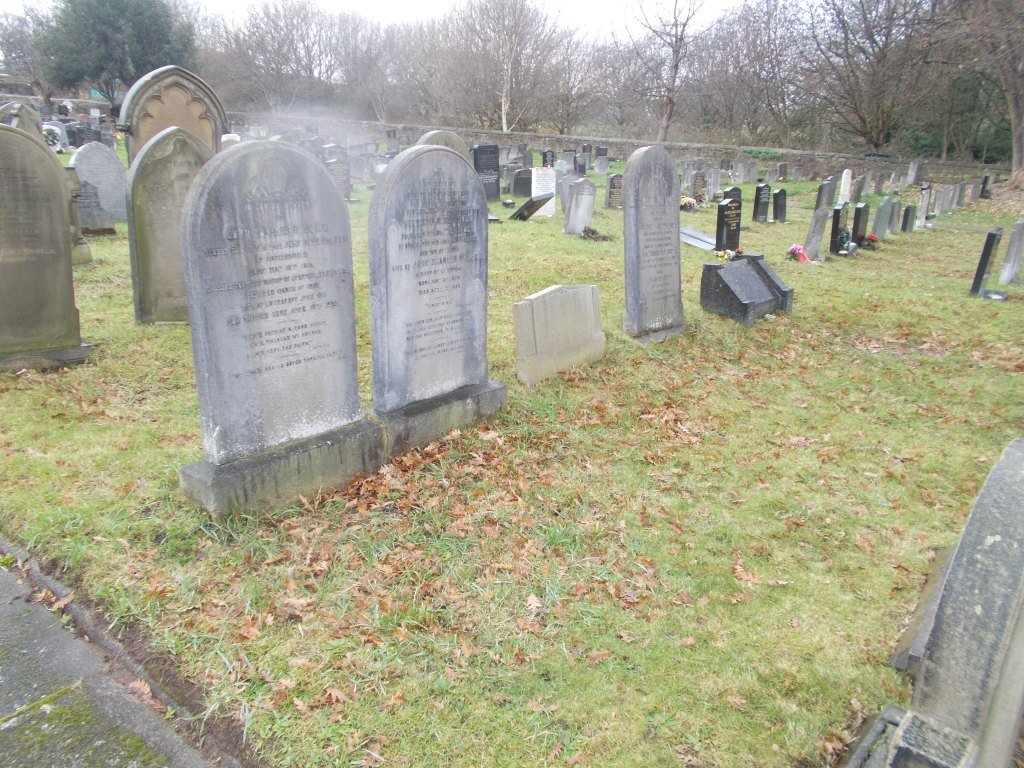
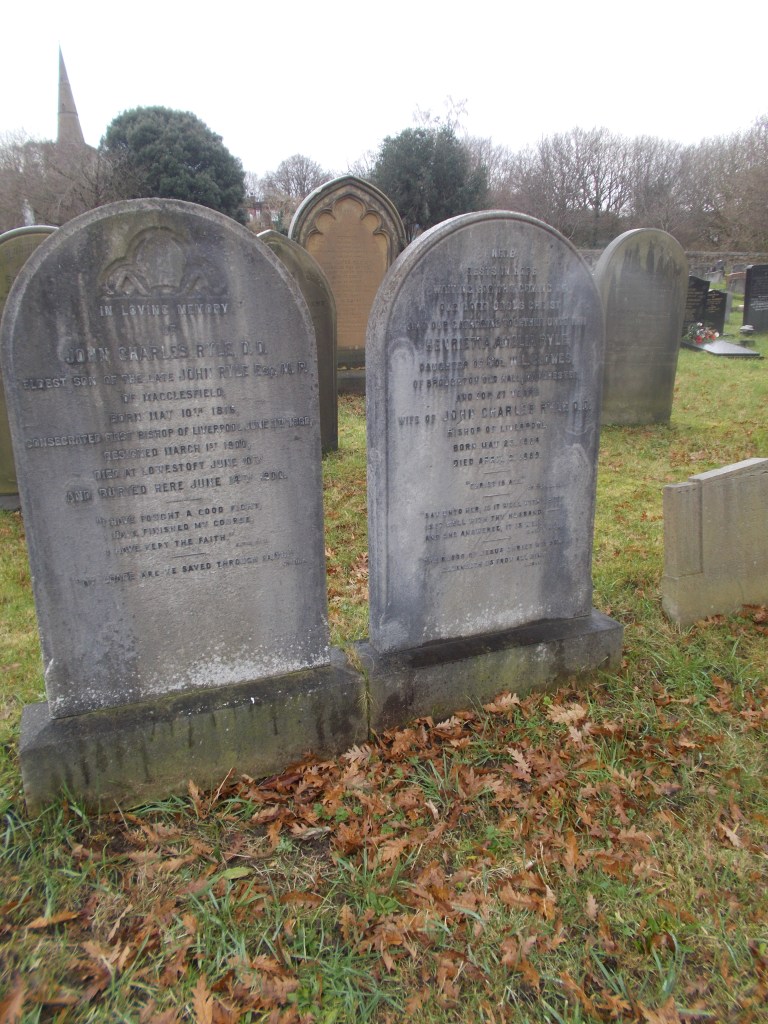
Ryle was brought up to go to Church on special occasions and in a cultural Christian household, but his family was not serious about religion. From the little information we have about Ryle’s childhood, we can conclude that his family did not embrace the Christian faith fully. He was educated at Eton and the University of Oxford and had ambitions of a career in politics, but due to his father’s bankruptcy, he was unable to follow his plans for politics. Ryle took holy orders in 1841/42 and became curate at Exbury, Hampshire. In 1843 he became the rector of St. Thomas, Winchester, and then Helmingham, Suffolk. He was also a preacher at Cambridge, Oxford, and other locations. Ryle was appointed Bishop of the new see of Liverpool in 1880 and he faithfully served as Bishop until he retired on 1st March 1900 on the grounds of ill health. He died a short time later on 10th June 1900. He is buried at All Saints Church, Childwall, Liverpool next to his third wife, Henrietta. His first and second wives died young after a few years of marriage.
Ryle was Gospel-centred in an age that was not. On 24 November 1859 when Ryle was 43 years old Charles Darwin published his book The Origin of Species and unleashed his attack on the Genesis account of creation by teaching his theory of human evolution. The Church of England at the time was going through a period of change and adopting a liberal understanding of society and tolerating falsehoods from the pulpits of England.
Queen Victoria came to the throne when Ryle was just 21 years old. She reigned throughout Ryle’s ministry. In fact, Queen Vitoria died the year after Ryle in 1901. We often think of the English Victorian period as the hay day of Christianity in England. Although there were many people going to Church during this period, not all of them had a true saving faith. We get this impression from Ryle’s many warnings in his books and tracts. For example, in book on the Gospel of Matthew Ryle writes, “Let us close these verses with serious self-inquiry. Let us ask ourselves on which side of Christ we are likely to be at the last day. Shall we be on the right hand, or shall we be on the left? Happy is he who never rests until he can give a satisfactory answer to this question” (Expository Thoughts on Matthew, J. C. Ryle (Matt. 25:31-46) Banner of Truth pg. 276).
Ryle was a man ahead of his time. The Church of England during his lifetime was not ready for such men as Ryle. There were people within the established church in England that hated Ryle. When Prime Minister Benjamin Disraeli suggested that Ryle was to be appointed the new and first Bishop of Liverpool there were some oppositions to his appointment. Some bishops and clergy thought him to be too radical and not suitable for the role.
If you are looking for a good evangelical, gospel-centred man to read then look no further than J. C. Ryle. There are of course many other great evangelical writers, but none are as easy to understand and straight to the point as Ryle. When reading him you never come away wondering what his position is on the text and how to practically apply the text of Scripture to your Christian life. Ryle is timeless even though he has been with the Lord in Heaven for over 120 years. His writings are as fresh as the day they were first published. You could read Ryle today and think he wrote his books last week. This is why I recommend J.C. Ryle to all Christian people of all ages and at all levels of development in their Christian life. He has something to say to the young and old, to the new convert and the aged old preacher who has been in gospel ministry for decades. Ryle is such a writer that will always remain one the best evangelical Anglican writers.
The message and society in which Ryle lived has changed very little. The message Ryle preached is needed today. He was in many ways a lone voice in the Anglican Church in England. We need more good evangelical men like Ryle to be a beacon in the spiritually dark land of the United Kingdom. I visited Ryle’s grave in Childwall, Liverpool on a few occasions. His gravestone sums up the man and lifestyle of Ryle very well. It is a simple headstone that bears his name, “JOHN CHARLES RYLE D.D” and a Scripture text taken from Ephesians 2:8 which reads, “By grace are ye saved through faith.” Ryle was a humble man and a man that focused his life on Gospel ministry driven by this text from Ephesians. Let us follow Ryle’s example of faith, obedience, works, and praise, all for the love and glory of God.







Leave a comment