
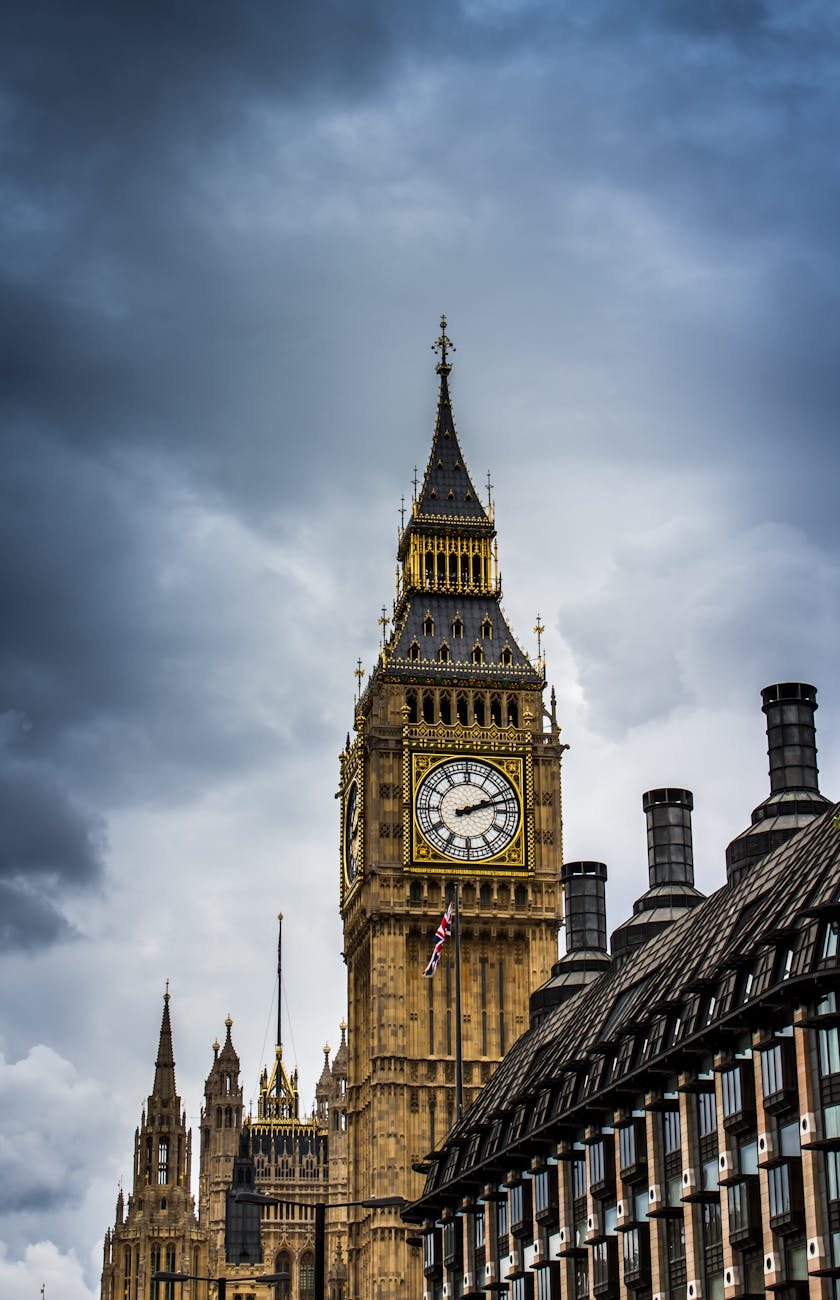
In 2024, a General Election is expected to be called in the United Kingdom. Legally, it may take place as late as 28 January 2025. Whether a Christian chooses to participate in such an event is, ultimately, a matter of personal conscience before the Lord. For myself, however, I have come to believe that the democratic act of voting is something from which we ought to abstain.
To me the matter is simple: the Christian, being not of this world, should refrain from involving themselves in worldly affairs, especially those of a political nature. We have not been called to reform this world, nor to shape its policies or power structures. Voting aligns us with a system that Scripture teaches will one day be judged and brought to nothing at the return of our Lord. May God grant us grace to remain faithful witnesses to His truth rather than entangled participants in political mechanisms. Voting may appear harmless, but I believe it can become a snare, drawing the believer into loyalties, passions, and compromises that are fundamentally worldly.
One day, the Lord will destroy this present world. If this is so, why invest our energy into improving what God has already declared temporary? The destiny of souls is not altered by political reform, nor can legislation change the heart of man. James warns that friendship with the world is enmity with God, and we are also commanded not to love the world nor the things in it. The “god of this world” remains our spiritual adversary.
Consider, for a moment, the options before us in the upcoming election. The next Prime Minister is likely to be either Rishi Sunak of the Conservative Party or Keir Starmer of the Labour Party. Neither man stands in defence of biblical Christianity. Sir Keir Starmer has stated openly that he does not believe in God, while Rishi Sunak is guided by teachings that do not align with the Word of God.
Therefore, regardless of who one votes for, the outcome on present trends is that the next leader of our nation will be someone who does not stand within the fold of God. Both major parties affirm policies contrary to Scripture, rejecting biblical teachings on marriage, life, and moral order. I speak only for myself, but having once been active in politics, and even standing as a parliamentary candidate, I have reached the settled conclusion that such a path is not compatible with the calling of the child of God.
Yet I acknowledge this remains a matter of personal conscience. If you believe you can vote with a clear conscience before the Lord, then you must walk according to that conviction. I do not judge those who choose differently, nor deny that some believers seek to serve faithfully within political life. However, I also recognise the pressures and compromises that inevitably arise. A notable example is Christian MP Tim Farron. During the 2017 General Election, when serving as Leader of the Liberal Democrats, he publicly stated that he did not consider “gay sex” to be sinful. In 2018, he expressed regret, admitting he had spoken under party pressure and made statements he did not truly believe. His experience illustrates the moral tension and compromise often required in political engagement.[1]
May the Lord help us all to walk humbly, obediently, and faithfully for His glory alone.
[1] Tim Farron says he regrets saying gay sex is not a sin | Tim Farron | The Guardian



Leave a comment